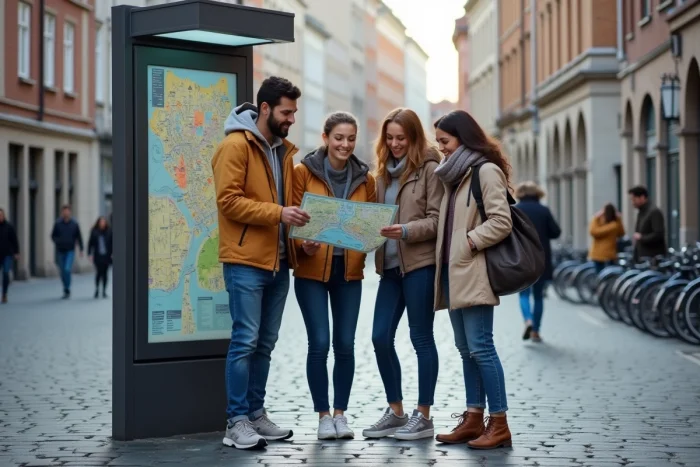
The numbers don’t lie: the attendance at European urban destinations remains sluggish, far from the heights of pre-2020. However, some cities defy the statistics and show remarkable growth. The reason? A clear vision, decisive choices, marketing strategies that dare to stand out. The gap inevitably widens between the metropolises that dare to reinvent themselves and those stuck in their old habits.
Transforming the city through digital means, betting on up-selling techniques, rethinking territorial identity: these are the levers that make a difference. Industry professionals have understood this, and those who seize it are transforming the urban landscape.
Urban tourism after the health crisis: what new challenges for professionals?
Picking up the thread of urban tourism means accepting to question everything that seemed certain. Now, travelers demand meaning. They want local, responsible, authentic experiences. The city must express its uniqueness, offer a welcome that feels genuine and respects the daily lives of its residents. Tourist offices are working hand in hand with local businesses, constantly reassessing their strategy to enrich the offering, contain overtourism, and preserve the friendliness of the place.
Managing tourist flows is becoming imperative. It’s time for effective digital tools, well-targeted communication, and thoughtfully designed visitor routes. The goal? That everyone, whether visitor or resident, comes out a winner from this equation. Players in the hospitality sector and tourism professionals face a significant challenge: to invent new urban narratives, promote the city proudly, and generate value for all.
As for sustainable tourism, it has moved from being a promise to an essential foundation. Preserving the environment, strengthening the local fabric, offering responsible experiences: these principles now permeate all significant initiatives. Travelers are more informed; they demand clarity and concreteness. Practical advice, specialized content, transparency—everything is scrutinized. In this context, the urban guide from 1 Voyageur stands out, aligning visitor expectations with the challenges of the territories.
The latest trends show: listening, collaboration, and the ability to renew the image of the city make the difference. The future of urban tourism is being shaped in this subtle balance between the desire for attractiveness, the demand for hospitality, and respect for the local rhythm.
What marketing strategies to attract today’s travelers and generate more value?
The traveler no longer wants just to stay or move around. They seek a memorable experience, an emotion, a memory that withstands the test of time. Tourism marketing must adapt to this quest for the exceptional. Now, it’s about inventing stories, shaping the image of a destination, and forging a lasting bond with each visitor. It’s no longer the product that inspires dreams, but the narratives: those of a lively neighborhood, a unique atmosphere, an unexpected encounter.
Digital has taken control of the game. An intelligent strategy on social media or specialized platforms propels the city into the spotlight. Travelers scrutinize, compare, comment, and share. Online reputation is built through reviews and exchanges. Influencers and content creators hold significant weight: their voices, sometimes more credible than advertising, shape the image of a destination.
The time is for personalization. Thanks to segmentation, CRM, and automation, it is possible to tailor each offer, anticipate desires, and foster loyalty. Strengthening this dynamic requires seamless collaboration among all local players: independent guides, artisans, restaurateurs, and accommodation providers all contribute to the customer experience and the enhancement of the urban destination.
Here are some levers that make a difference:
- Storytelling: telling the city authentically, inspiring a desire to discover it from within.
- Influencer marketing: relying on ambassadors capable of reaching targeted communities.
- Tourism SEO: optimizing visibility on search engines to capture the attention of future travelers.
Behind every interaction lies an opportunity: to foster loyalty, enhance attractiveness, and generate more value for all local stakeholders.
Concrete tools and best practices to boost the attractiveness and profitability of your destination
For a city to establish itself on travelers’ mental maps, it must invest in digital tools. Tourist mobile applications are becoming true companions for visits: they guide, suggest tailored routes, and highlight often-overlooked heritage. Their strength? To streamline the visitor experience while directing flows, thus avoiding the saturation of the most popular sites.
Augmented reality and virtual reality have changed the game. Gone are the days of passive discovery: the visitor dives into an era, explores secret places, relives buried stories. These devices, designed in collaboration with local businesses and the tourist office, enrich the urban narrative and encourage longer stays.
Managing tourist flows is being refined through real-time analysis tools. Professionals adjust the offering, rebalance attendance, and ensure a quality of life appreciated by residents. Not to mention online booking platforms: they centralize access to services, simplify travelers’ processes, while optimizing the revenues of local players.
Actions that accelerate urban visibility rely on several pillars:
- Implementation of mobile apps to guide and inform every visitor
- Creation of immersive experiences with augmented reality
- Real-time attendance tracking to adapt offerings and anticipate peaks
- Collective work with local businesses to ensure authenticity and uniqueness
Coupled with a coherent urban marketing strategy, this combination shapes an attractive and sustainable urban tourist destination, where both visitors and residents find their benefit.
Throughout the streets, behind every facade, a city can be reborn, provided it dares, listens, and commits for the long term. Urban tourism is no longer just about welcoming: it is reinventing itself, ready to surprise those who know how to look beyond the obvious.