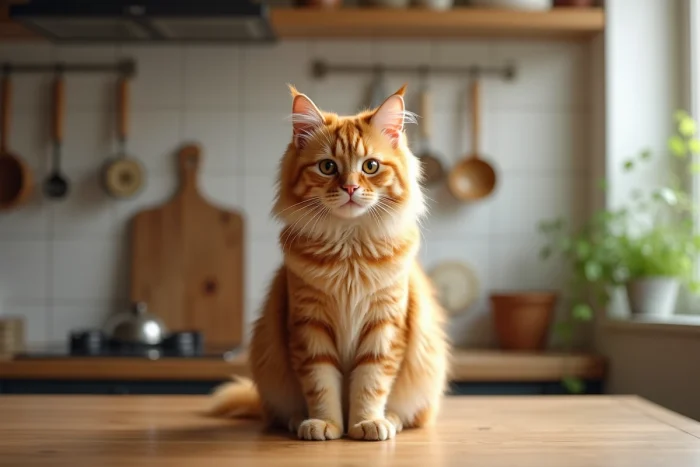
The domestic cat (Felis catus) is a strict carnivore, meaning its metabolism relies on nutrients found only in animal tissues, such as taurine or arachidonic acid. This biological characteristic dictates all the care it requires, from diet to prevention of poisoning.
Toxicity of essential oils in cats: an underestimated risk
The cat’s liver lacks certain enzymes from the glucuronyl transferase family. This enzymatic deficiency makes the animal unable to properly metabolize the phenolic compounds concentrated in several common essential oils.
ANSES published an opinion on November 23, 2022, warning about the dangers of essential oils for pets, including simple prolonged atmospheric diffusion. Oils rich in phenols are the most problematic: tea tree, eucalyptus, wintergreen, and cinnamon are among the most frequently implicated substances.
Reports from European veterinary pharmacovigilance, including one from the Association of Veterinary Anaesthetists in 2023, confirm an increase in cases of feline poisoning related to these products. Symptoms range from excessive salivation and tremors to severe liver damage. Even a diffuser running for a few hours in a closed room can be sufficient.
To delve deeper into feline health and well-being issues, cats on La Maison des Animaux provide a useful supplementary resource.
Indoor cat diet and obesity prevention
A survey by the German Small Animal Veterinary Association (DGK-DVG), published in Tierärztliche Praxis Kleintiere in 2024, ranks obesity-related disorders among the top reasons for non-vaccination consultations in indoor cats. Early osteoarthritis, diabetes, and heart issues have been steadily increasing since the Covid-19 pandemic.
The main identified cause combines two factors: a decrease in physical activity and so-called “pleasure” overfeeding, where the owner gives treats and extra portions out of affection.
Daily ration and protein quality
As a strict carnivore, the basis of a cat’s diet must remain protein-based and of animal origin. Kibble or wet food with a grain listed as the first ingredient do not adequately meet its needs. Reading the label allows you to check that animal proteins appear at the top of the ingredient list.
Dividing the ration into several small meals throughout the day mimics the cat’s natural hunting rhythm and limits weight gain. Interactive feeders or food puzzles slow down ingestion while stimulating mental activity.
Environmental enrichment
The DGK-DVG study emphasizes a often overlooked point: enriching the cat’s environment is just as important as reducing its ration. A cat that does not move will gain weight even with calibrated portions. Here are the preferred arrangements:
- High pathways (wall shelves, cat trees with platforms) that encourage jumping and climbing, activities close to natural behavior
- Rotating or feather toys replaced regularly to maintain curiosity, as a cat quickly tires of a familiar object
- Varied hiding spots (boxes, tunnels, semi-enclosed niches) that meet the need for retreat and reduce chronic stress
Cat hygiene care: litter, coat, and teeth
Feline hygiene relies on three main areas, each with its own constraints.
Litter management
The basic rule is to have one more litter box than the number of cats in the household. A single cat needs two litter boxes, ideally placed in different rooms. A sudden change in urinary behavior often signals a medical issue, not a whim: cystitis, stones, or territorial stress should be considered before any behavioral hypothesis.
The substrate also matters. Some cats refuse scented or unusually textured litters. A persistent refusal of the box justifies trying a neutral, non-clumping substrate before consulting.
Brushing and coat monitoring
Regular brushing is not just to limit hair on the couch. It reduces the ingestion of dead hair during the cat’s spontaneous grooming, which decreases the formation of hairballs (trichobezoars) in the stomach.
In an older cat, matted fur or a dull coat may indicate joint pain preventing it from grooming normally. This sign, often downplayed, warrants a veterinary consultation.
Dental hygiene
Periodontal disease affects a notable proportion of adult cats. Red gums, persistent bad breath, or refusal to eat kibble are warning signals. Some brands offer abrasive-textured treats designed to limit tartar, but they do not replace professional dental cleaning when plaque is established.
Veterinary visits and cat sterilization
A seemingly healthy cat can develop silent pathologies for months. Felines instinctively mask pain and signs of weakness, a behavioral legacy of their solitary predator status in nature.
The annual consultation allows for early detection of kidney diseases, dental problems, or significant weight variations. For cats over eight years old, regular blood tests help monitor kidney and thyroid function.
- Sterilization reduces urinary marking behaviors, escapes, and territorial fights, which are the main causes of injuries and disease transmission (FIV, FeLV)
- In female cats, sterilization before the first heat significantly decreases the risk of mammary tumors
- In France, municipal campaigns for the sterilization of stray cats exist in several municipalities to limit feline overpopulation
The cat remains an animal whose needs are often oversimplified. Its biology as a strict carnivore, its hepatic sensitivity to common chemical compounds, and its ability to hide pain impose a more technical attention than it appears. Adapting its environment, monitoring its ration, and maintaining regular veterinary follow-up are the foundation for sustainable cohabitation.